



Queen Elizabeth II’s Engagement Ring: The Story Behind Its Diamonds And Its Value Today
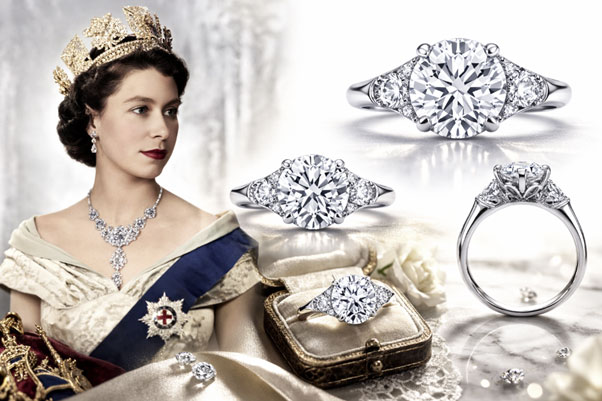
21 April 2026 would have marked Queen Elizabeth II’s 100th birthday. As people reflect on her life and legacy, interest in the objects connected to the late monarch remains strong, particularly the jewellery she wore for much of her reign.
Her engagement ring is one of the most recognisable. Prince Philip designed the piece in 1947 using diamonds taken from a tiara belonging to his mother, Princess Alice of Battenberg. Paired with a Welsh gold wedding band, the ring has become one of the most famous pieces of royal jewellery.
Here, our Managing Director, Neil Dutta, explains the story behind the ring’s design, the diamonds used and why its craftsmanship continues to influence engagement ring styles today.
The Family Story Behind the Queen’s Engagement Ring
Queen Elizabeth II’s engagement ring carries an unusual family history. Rather than purchasing new diamonds, Prince Philip used stones taken from a tiara owned by his mother, Princess Alice of Battenberg.
The tiara was taken apart so several of its diamonds could be set into the engagement ring, with the remaining stones used to create a matching bracelet.
The Diamond Design That Made The Ring So Distinctive
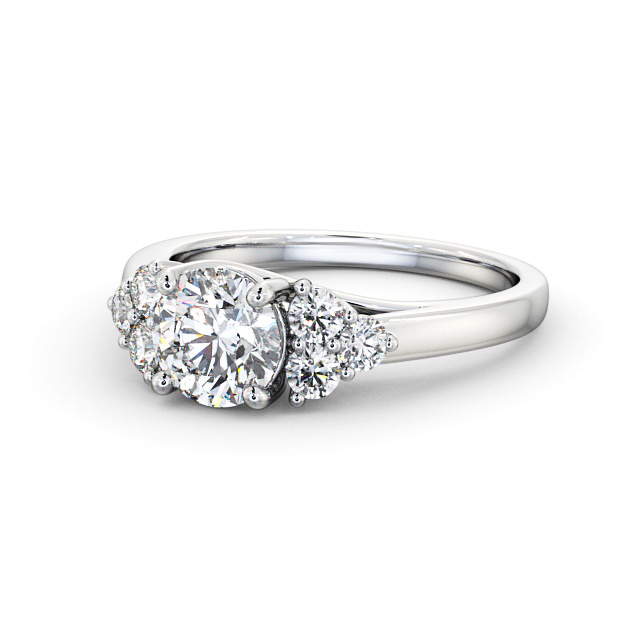
The ring features a three-carat centre diamond surrounded by smaller stones arranged on either side. This multi-stone design creates a balanced structure that allows the centre diamond to stand out without appearing overly large.
According to Neil, this layout is one reason the ring still feels elegant decades later.
"The ring uses what jewellers would describe as a graduated cluster design. The centre diamond provides the focal point, while the smaller stones on either side extend the visual width of the ring. That structure allows the ring to appear more substantial on the hand without relying on a single oversized stone."
The diamonds are set in platinum, a metal that became increasingly popular for engagement rings during the early twentieth century due to its strength and durability.
"Platinum became the preferred metal for engagement rings during the early twentieth century because it allows jewellers to create extremely fine claws while maintaining structural strength. Those finer settings expose more of the diamond to light, which helps maximise brilliance."
Neil adds that the ring’s impact comes from balance rather than extravagance.
"Many people assume royal engagement rings were designed to be extravagant, but this ring is actually quite restrained. Its impact comes from careful diamond selection and proportion rather than size alone."
The Royal Tradition of Welsh Gold Wedding Rings
Alongside her engagement ring, Queen Elizabeth II wore a wedding band made from Welsh gold, continuing a royal tradition that dates back more than a century.
Since the marriage of the Queen Mother in 1923, members of the royal family have used Welsh gold for their wedding rings.
Neil says the material’s rarity is part of what gives it such symbolic significance.
"Welsh gold has a slightly warmer tone than many modern gold alloys, which gives royal wedding rings a distinctive colour. Because the supply of Welsh gold is extremely limited, it has become more symbolic than practical in royal jewellery traditions."
How Much Would Queen Elizabeth II’s Engagement Ring Be Worth Today?
The ring may date back to the 1940s, but a similar design would still command a very high price today.
According to Neil Dutta, a ring featuring a three-carat centre diamond with carefully matched side stones would typically fall into the six-figure range, depending on the exact grading of the diamonds.
"A ring with a three-carat centre diamond and high-quality side stones like this would likely cost around £250,000 today, depending on the exact diamond grading, including the cut, clarity and colour of the stones."
Naturally, the Queen’s ring would be considered priceless due to its royal history.
"When a piece of jewellery carries strong historical associations, its cultural significance often outweighs the value of the diamonds themselves."
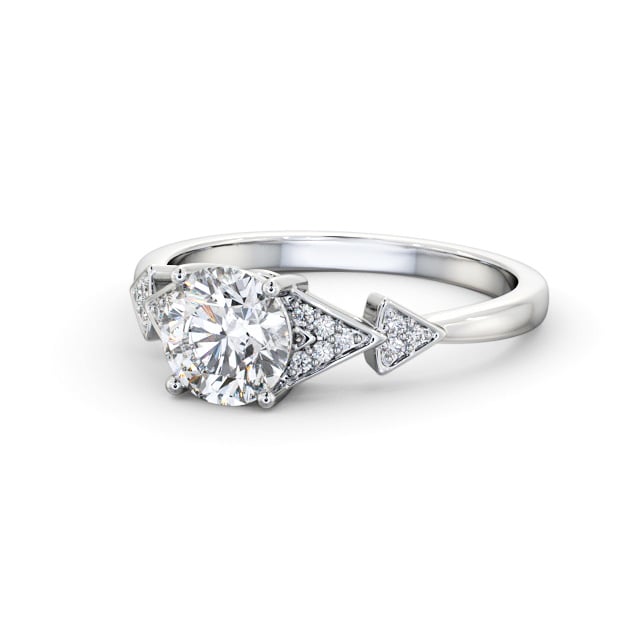
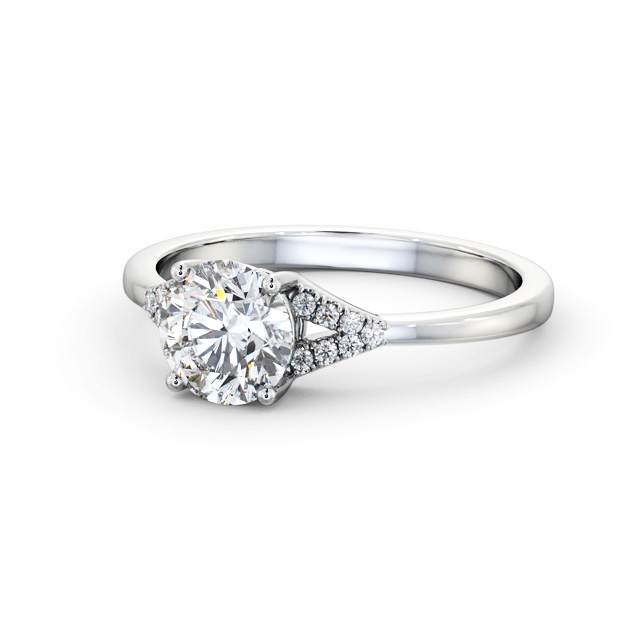
Rings Inspired by the Design
You May Also Like
Revealed: The Reality TV Dating Shows Most Likely ...
From whirlwind villa romances to couples getting married the moment t ...
Diamond Ring Settings: A Complete Guide to Choosin ...
When most people start shopping for an engagement ring, they focus on ...
Thinking About Proposing This Year? A Calm, Practi ...
Thinking about proposing is exciting, emotional, and a little nerve-wr ...
